
Cataract Evaluation & Surgery Serving Knoxville & East Tennessee
If cloudy, dim or glare-filled vision is making everyday life harder, a cataract may be the cause. Tennessee Eye Care provides cataract evaluation, surgery by our ophthalmologists, and follow-up care for patients in Knoxville and across East Tennessee.
What Is a Cataract?
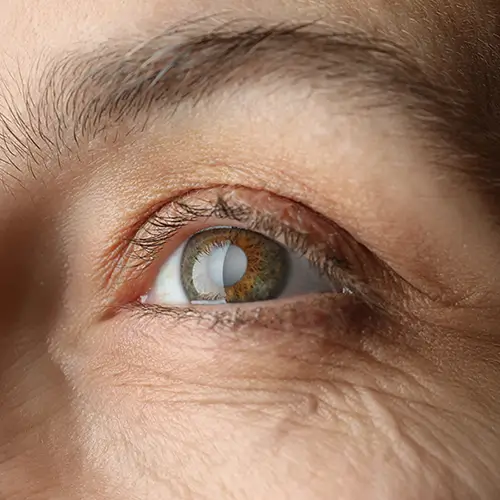
A cataract is a clouding of the natural lens inside your eye. This lens sits behind the iris and pupil and focuses light onto the retina, much like a camera lens. As a cataract develops, the lens becomes less clear, and vision can become blurry, hazy or less colorful.
Cataracts are very common with age. According to the National Eye Institute, more than half of Americans age 80 or older either have cataracts or have had surgery to remove them. Age is the biggest risk factor, but the NEI also lists diabetes, smoking, heavy alcohol use, a family history of cataracts, eye injury or earlier eye surgery, a lot of time in the sun, and steroid use. If you have diabetes, regular diabetic eye care helps your eye doctor watch for cataracts and other changes.
Common Cataract Symptoms
Cataracts usually develop slowly, so changes can be easy to miss at first. Signs to mention to your eye doctor include:
- Cloudy, blurry or dim vision
- More trouble seeing at night, including while driving
- Sensitivity to light and glare, or halos around lights
- Colors that look faded or yellowed
- Double vision in one eye
- Frequent changes to your glasses or contact lens prescription
These symptoms can also have other causes, which is why a dilated eye exam matters. For more detail, read our article on the symptoms of cataracts.
Looking for a Cataract Eye Doctor in Knoxville?
A cataract evaluation starts with a comprehensive exam. Your eye doctor will check your vision, examine the lens and the rest of the eye, and ask how your sight is affecting daily activities such as driving, reading, work and hobbies. Our optometrists and ophthalmologists work together as one team, so a cataract found during a routine exam can move smoothly into a surgical consultation when the time is right.
In the early stages, your eye doctor may suggest an updated glasses prescription, brighter lighting for reading, or anti-glare sunglasses. The American Academy of Ophthalmology notes that if symptoms are not bothering you much, you do not have to remove a cataract.
When Is Cataract Surgery Recommended?
Surgery is generally considered when a cataract keeps you from doing things you want or need to do. Not everyone with cataracts needs surgery right away, and the decision is one you make with your eye doctor, based on how much your vision is affecting your life and on the overall health of your eyes. When a cataract does need to be removed, surgery is the treatment used to restore a clear lens.
What to Expect Before, During and After Cataract Surgery
Before surgery. Your eye is measured so your surgeon can choose the power of the artificial lens, called an intraocular lens (IOL). You will receive instructions about eye drops and medications, and you will need a friend or family member to drive you home.
During surgery. The cloudy natural lens is removed and replaced with a clear IOL. According to the National Eye Institute, the procedure usually lasts about an hour, numbing drops are used, and most people are awake. Cataract surgery is done on an outpatient basis: you rest briefly in a recovery area and then go home, though you will not be able to drive yourself. If both eyes have cataracts, each eye is usually treated at a separate time, often about a month apart.
After surgery. You will use prescribed eye drops and may wear an eye shield or protective glasses for a period of time. Follow-up visits let your eye doctor check how the eye is healing. The NEI notes that most people are completely healed about 8 weeks after surgery. Our cataract surgery recovery timeline covers the first day, week and month in more detail.
Lens Implant Options
There are several general types of IOLs, as described by the American Academy of Ophthalmology:
- Monofocal lenses have one focusing distance and are the most common type. Many people set them for distance vision and wear glasses for reading or close work.
- Multifocal and extended depth-of-focus lenses are designed to provide both near and distance focus.
- Toric lenses are designed to correct astigmatism.
Which lens is appropriate depends on your eyes, your health and your daily needs. Your eye doctor will discuss the options that suit you, along with what each may mean for your need for glasses afterward.
Risks of Cataract Surgery
The National Eye Institute describes cataract surgery as one of the most common, safe and effective types of surgery done in the United States. Like any surgery, it does carry risks. Possible complications include swelling, bleeding, infection, vision loss or double vision. Some people later develop cloudiness behind the lens implant, called a secondary cataract or posterior capsule opacification, which can appear weeks to years after surgery and can be treated with a laser. Your surgeon will review the risks that apply to you before you decide.
When to Call Right Away After Surgery
Call your eye doctor right away if you notice any of the following after cataract surgery:
- Vision loss
- Pain that does not go away with medicine
- Very red eyes
- Flashes of light or many new floaters
Call us at (800) 500-4667. If our offices are closed and you cannot reach your eye doctor, go to the nearest emergency department.
Our Cataract Ophthalmologists
Cataract evaluation and care at Tennessee Eye Care is provided by our ophthalmologists:
- Dr. Thomas Browning, MD – Harriman, Lenoir City, Morristown, Powell
- Dr. Matthew Lowrance, DO – Knoxville, Lenoir City, Morristown, Powell
- Dr. Sullivan Smoak, MD – Harriman, Knoxville, Lenoir City, Morristown, Powell
Schedule a Cataract Evaluation
If you are noticing symptoms of cataracts, or another eye doctor has told you a cataract is developing, we can help you understand your options. Choose one of our East Tennessee locations in Harriman, Knoxville, Lenoir City, Morristown or Powell to schedule your evaluation. Patients in Hamblen and Jefferson counties can have cataract evaluations close to home at our ophthalmology office in Morristown.
Sources
- Cataracts, National Eye Institute
- Cataract Surgery, National Eye Institute
- What Are Cataracts?, American Academy of Ophthalmology
- Intraocular Lenses (IOL) for Cataract Surgery, American Academy of Ophthalmology
Frequently Asked Questions
When should I have cataract surgery?
Who performs cataract surgery at Tennessee Eye Care?
Is cataract surgery painful?
How long does it take to recover from cataract surgery?
Will I still need glasses after cataract surgery?
Care from neighbors, not strangers
We live and practice in East Tennessee. Our ophthalmologists and optometrists are locally based, so the people treating your eyes are the same people you see at the grocery store — and every office runs on the same standard of care.
Available at all five Tennessee Eye Care clinics:
Not sure which is closest? Compare all our locations.