
Dry Eye Treatment in Knoxville & East Tennessee
Dry eye is one of the most common reasons patients come to see us — and one of the most treatable, once someone identifies which kind you actually have.
Understanding Dry Eye Syndrome
Dry eye syndrome occurs when your eyes don't produce enough tears or when tears evaporate too quickly. This common condition can cause significant discomfort and, if left untreated, may lead to eye damage and vision problems.
At Tennessee Eye Care, we provide comprehensive evaluation and treatment for dry eye, helping you find relief and protect your eye health.
Symptoms of Dry Eye
Common symptoms of dry eye include:
- Stinging, burning, or scratchy sensation
- Feeling like something is in your eye
- Redness and irritation
- Excessive tearing (a reflex response to dryness)
- Blurred vision, especially when reading or using a computer
- Eye fatigue
- Difficulty wearing contact lenses
- Sensitivity to light
Causes of Dry Eye
Many factors can contribute to dry eye syndrome:
- Age: Tear production naturally decreases as we get older
- Hormonal changes: Especially common in women during menopause
- Medications: Antihistamines, decongestants, antidepressants, and others
- Medical conditions: Diabetes, rheumatoid arthritis, thyroid disorders
- Environment: Dry climate, wind, smoke, air conditioning
- Screen time: Reduced blinking during computer use
- Contact lens wear: Long-term use can affect tear production
Treatment Options
We offer various treatments depending on the severity and cause of your dry eye:
- Artificial tears: Over-the-counter drops to supplement natural tears
- Prescription eye drops: Medications to reduce inflammation and increase tear production
- Punctal plugs: Tiny devices that block tear drainage to keep eyes moist
- Warm compresses and lid hygiene: To improve oil gland function
- Lifestyle modifications: Humidifiers, screen breaks, protective eyewear
- Nutritional supplements: Omega-3 fatty acids may help tear quality
The Two Kinds of Dry Eye
Treating dry eye effectively depends on knowing which type you have, and the two are frequently confused. Aqueous deficient dry eye means the tear glands aren't producing enough tear volume. Evaporative dry eye — the more common form — means you produce enough tears, but the oil layer that keeps them from evaporating is compromised, usually because the meibomian glands in the eyelids are blocked.
This distinction matters because artificial tears alone rarely resolve evaporative dry eye. If drops haven't helped you, that is useful diagnostic information rather than a sign that nothing will.
When Dry Eye Needs More Than Drops
For patients whose dry eye resists standard treatment, or who have corneal irregularities alongside it, scleral lenses can be an effective option. These vault over the cornea and hold a reservoir of fluid against the eye surface throughout the day.
Severe or sudden-onset dry eye can also signal an underlying autoimmune or thyroid condition, which is worth investigating rather than simply managing.
Dry Eye in East Tennessee
Our region gives dry eye patients a hard time twice a year. Spring and fall allergy seasons in the Tennessee Valley drive inflammation that worsens symptoms, and winter heating strips indoor humidity for months. If your symptoms track the calendar, mention that at your visit — seasonal patterns change what we recommend.
Get Relief from Dry Eye
Don't suffer from dry eye discomfort. Schedule an appointment at Tennessee Eye Care for a comprehensive evaluation. Our team will identify the underlying cause of your symptoms and develop a personalized treatment plan to help you find lasting relief.
Read more in our guide to understanding and treating dry eye syndrome in Tennessee.
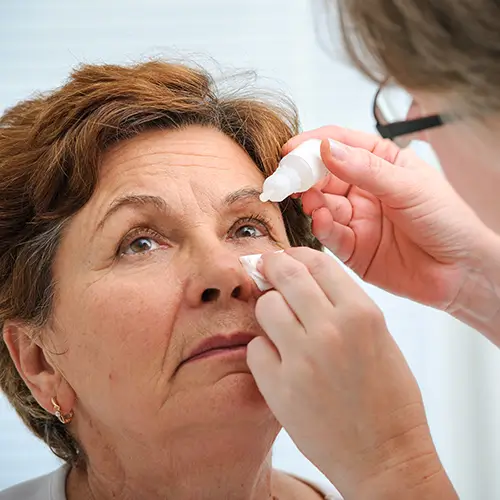
Dry Eye Takes Follow-Up
Dry eye is rarely solved in one visit. Finding the right combination of treatment usually takes a few adjustments over several months, which is a great deal easier when the clinic is close by.
We evaluate and treat dry eye at every one of our East Tennessee locations, and your records follow you between them if you need to be seen somewhere else.
Available at all five Tennessee Eye Care clinics:
Not sure which is closest? Compare all our locations.