
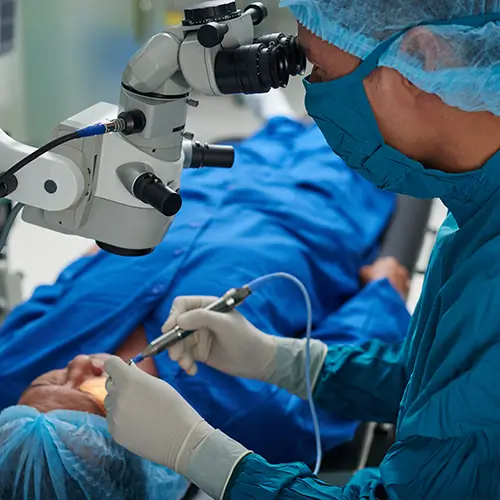
Medical Eye Care in Knoxville & East Tennessee
Expert diagnosis and treatment for eye diseases and conditions from our experienced ophthalmologists.
Protecting Your Vision Through Expert Medical Care
At Tennessee Eye Care, our ophthalmologists provide comprehensive medical and surgical care for a wide range of eye conditions. From common age-related conditions like cataracts and macular degeneration to complex retinal diseases, we have the expertise and technology to protect and preserve your vision.
Early detection is critical for most eye conditions. That's why we recommend regular comprehensive eye exams for all patients, especially those over 40 or with risk factors like diabetes or a family history of eye disease.
Conditions We Treat
Click on any condition to learn more about symptoms, diagnosis, and treatment options.
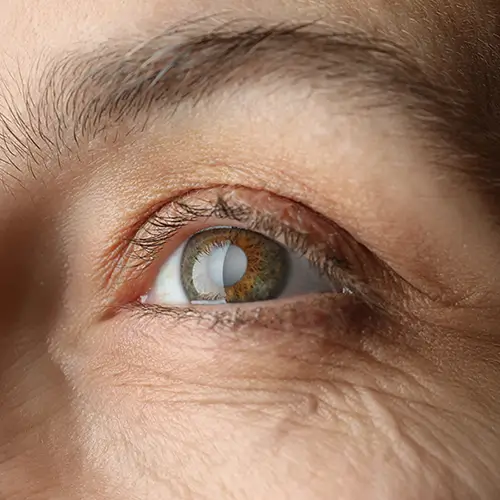
Cataracts
Clouding of the eye's natural lens causing blurry vision. We offer evaluation and surgical treatment options.
Learn More →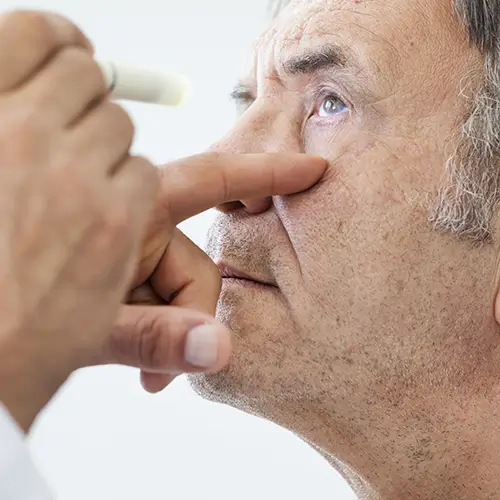
Glaucoma
A group of conditions that damage the optic nerve. Early detection is critical for preventing vision loss.
Learn More →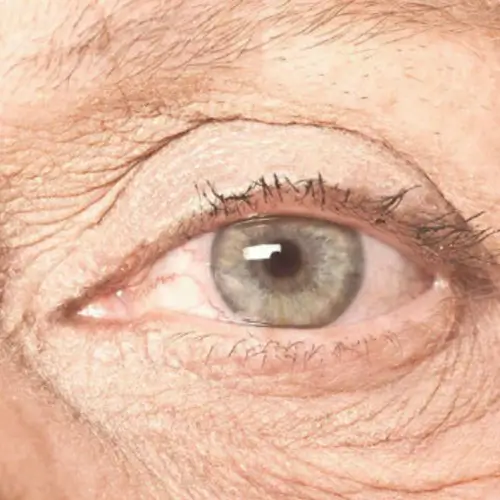
Macular Degeneration
Age-related condition affecting central vision. We provide diagnosis, monitoring, and treatment.
Learn More →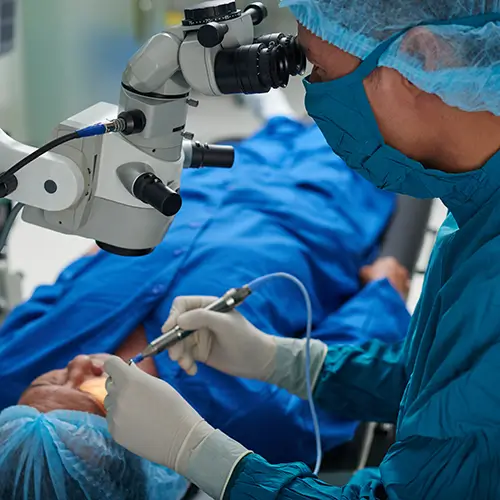
Retinal Care
Comprehensive care for retinal conditions including diabetic retinopathy and retinal detachment.
Learn More →
Dry Eye
Diagnosis and treatment for chronic dry eye syndrome and related conditions.
Learn More →
Diabetic Eye Care
Specialized monitoring and treatment for diabetes-related eye conditions.
Learn More →Our Ophthalmologists
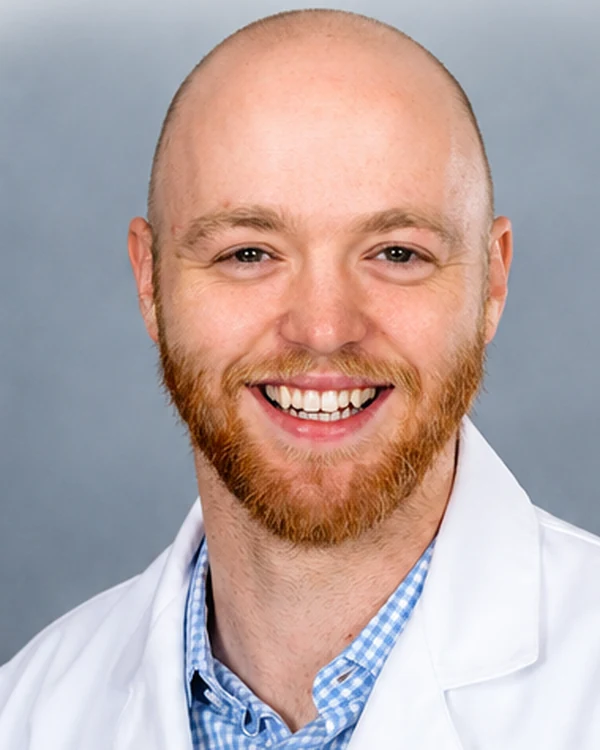
Our ophthalmologists perform surgery and work alongside our optometrists in caring for eye disease.


Frequently Asked Questions
What is the difference between an optometrist and an ophthalmologist?
Both are doctors who examine, diagnose and treat conditions of the eye. An optometrist (OD) holds a doctorate in optometry and provides comprehensive eye care — exams, vision correction, and the diagnosis and ongoing medical management of conditions such as glaucoma, dry eye and diabetic eye disease. An ophthalmologist (MD or DO) completes medical school and a surgical residency, so they also perform eye surgery. At Tennessee Eye Care the two work together: many patients see an optometrist for their regular care and an ophthalmologist when a procedure is involved, with both working from the same record.
How often should I have my eyes examined if I have an eye condition?
If you have a diagnosed eye condition like glaucoma, macular degeneration, or diabetic retinopathy, your doctor will recommend a monitoring schedule based on your specific situation. This is typically every 3-12 months depending on the severity and stability of your condition.
Are eye conditions hereditary?
Many eye conditions have a genetic component. If you have a family history of glaucoma, macular degeneration, or other eye diseases, you may be at higher risk. We recommend informing your eye doctor about your family history so they can monitor for early signs.
What symptoms should prompt me to see an eye doctor immediately?
Seek immediate care if you experience sudden vision loss, flashes of light, a sudden increase in floaters, eye pain, or a curtain-like shadow over your vision. These could indicate serious conditions like retinal detachment that require urgent treatment.
Convenient Locations Across East Tennessee
We provide medical eye care services at all five of our primary locations. Find the office nearest you.
Find a LocationConcerned about your eye health?
Don't wait—early detection is key to preventing vision loss. Schedule an appointment today.
Schedule an AppointmentOr call us at (800) 500-4667